Source Soft Adhesive Cleaning Scraper for Home, Auto, and Floor
Find 30 listings for the soft adhesive cleaning scraper to compare materials like carbon steel and ABS. Evaluate options for floor, window, and car care applications with varying MOQs and packaging standards; compare the available evidence and request quotations based on your requirements.
Key considerations
Products List


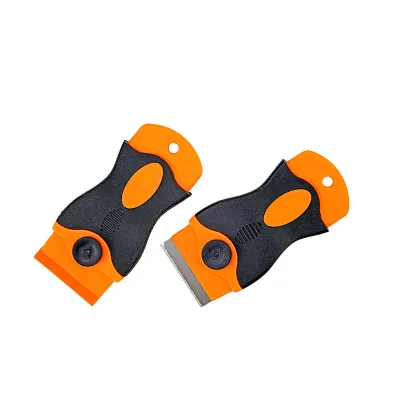
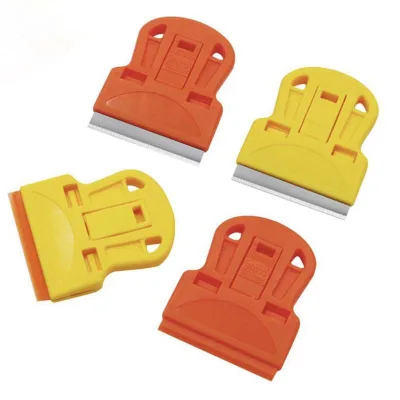


Comprehensive Sourcing Guide
Soft Adhesive Cleaning Scraper Sourcing Guide
Procuring soft adhesive cleaning scrapers requires distinguishing between general-purpose tools and specialized variants designed for specific surface interactions. The observed market data indicates a diverse range of models, including those constructed from carbon steel and ABS plastic, with blade materials varying from stainless steel to generic metal compositions. Buyers must carefully align their selection with the intended application, whether for indoor cleaning, car care, or general degreasing tasks, as the material composition directly influences durability and surface safety.
The supply chain for these tools is predominantly anchored in China, with specific manufacturing hubs identified in Changsha, Guangdong, and Jiangsu provinces. This geographic concentration suggests a mature ecosystem for production, yet it necessitates rigorous verification of the specific factory origin for each order. Sourcing strategies should account for the variability in product models, such as the BSR series or H1201 variants, ensuring that the selected unit matches the precise functional requirements of the procurement project rather than relying on generic categorization.
Product Scope and Observed Listing Signals
The current market listings reveal a significant variance in product attributes, ranging from simple plastic window scrapers to heavy-duty floor scrapers with specific weight and dimension profiles. Observed specifications include thicknesses of 0.7mm and distinct dimensions like 125 x 68mm or 50mm x 50mm, which serve as critical identifiers for buyers seeking exact replacements or custom solutions. The presence of color options such as yellow, red, and gray, alongside stainless steel finishes, indicates that aesthetic customization is a common feature, though functional performance must remain the primary selection criterion.
Packaging and shipping parameters also vary widely, with options including carton boxes, PP bags, and export packing standards. Minimum Order Quantities (MOQ) observed in the data span from 100 pieces to 6000 units, reflecting the flexibility of suppliers to accommodate both small trial orders and large-scale industrial procurement. Buyers should note that while some listings offer OEM support, others explicitly state "No" for customization, requiring early clarification to avoid mismatches between expected service levels and supplier capabilities.
Technical Specifications to Verify
Verifying the material composition is the first critical step in ensuring the scraper meets performance expectations for specific adhesive removal tasks. The data highlights materials such as carbon steel, ABS, and stainless steel blades, each offering different trade-offs between rigidity and flexibility. For applications involving delicate surfaces, the handle material, often plastic, and the blade hardness must be confirmed to prevent scratching, while heavy-duty applications may require the structural integrity provided by metal or carbon steel components.
Dimensional accuracy and weight are equally vital for ergonomic efficiency and operational consistency. Listings specify weights like 40g and single package sizes such as 14x6x13 cm, which impact shipping costs and user fatigue during extended use. Buyers must cross-reference these physical attributes against their operational needs, ensuring that the selected model, whether identified by model numbers like H1203 or DQ-7564216, aligns with the required thickness and size constraints for the specific cleaning environment.
Compliance and Safety Documentation
While the provided data does not explicitly list specific certification bodies, the mention of "Standard" and "Customized" standards implies that compliance with industry norms is a variable factor depending on the supplier. Buyers should request documentation confirming that the materials used, particularly those intended for car care or food-adjacent cleaning, meet relevant safety regulations for chemical resistance and physical safety. The absence of explicit certification claims in the raw data necessitates a proactive approach to verifying that the product adheres to local safety standards in the destination market.
Warranty terms and functional guarantees serve as indirect indicators of product reliability and manufacturer confidence. One observed listing offers a one-year warranty, suggesting that some suppliers stand behind the durability of their tools, while others may provide limited or no coverage. Procurement teams must clarify the scope of this warranty, including whether it covers material defects or manufacturing errors, and ensure that the supplier can provide the necessary documentation to validate these claims before finalizing the purchase agreement.
Cost Drivers and Commercial Terms
The price range observed in the market spans from $0.02 to $555, a vast disparity that reflects differences in material quality, customization levels, and order volume. Lower-priced items typically correspond to basic plastic or metal scrapers with standard packaging, whereas higher costs may be associated with specialized models, custom branding, or complex manufacturing processes involving multiple material layers. Buyers must analyze the unit price in the context of the total order value and the specific material requirements to avoid overpaying for unnecessary features or underestimating the cost of high-grade components.
Commercial terms, particularly regarding Minimum Order Quantities (MOQ), significantly influence the total cost of ownership and inventory management strategies. With MOQs ranging from 100 to 6000 pieces, smaller buyers may face higher per-unit costs or need to consolidate orders with other suppliers to meet volume thresholds. Additionally, the availability of OEM, ODM, and OBM support can alter pricing structures, as custom branding and packaging often incur additional setup fees that must be factored into the overall budget before negotiation.
Supplier Qualification and Quality Control
Supplier qualification should begin with verifying the place of origin and the specific manufacturing capabilities of the facility. The data points to key production centers in Jiangsu, Guangdong, and Changsha, but buyers must confirm that the specific factory has the capacity to maintain consistent quality across different material types, such as transitioning between ABS plastic and stainless steel blades. Requesting evidence of production capacity and past performance with similar products is essential to ensure the supplier can meet the required specifications without compromising on quality.
Quality control protocols must be established to address the variability in product attributes like color, weight, and dimensions. Since customization is available for some models but not others, buyers should implement strict inspection criteria to ensure that the delivered goods match the agreed-upon specifications, such as the 0.7mm thickness or specific package sizes. Regular audits and pre-shipment inspections are recommended to verify that the final products, whether labeled as "Diy" grade or professional grade, meet the functional requirements for easy operation and effective cleaning.
Long-Term Procurement Checks
Establishing a long-term relationship with suppliers requires a focus on consistency in product attributes and supply chain reliability. Buyers should monitor the stability of key specifications, such as the material grade and packaging methods, to ensure that future orders do not deviate from the initial successful batch. The availability of customization support, including OEM and ODM services, should be evaluated for its scalability, ensuring that the supplier can adapt to changing market demands or specific client requirements over time without significant lead time disruptions.
Performance tracking and feedback loops are critical for maintaining product quality and operational efficiency in the long run. Buyers should collect data on the actual performance of the scrapers in real-world applications, such as their effectiveness in car care or indoor cleaning, to validate the initial claims of "Easy Operation" and durability. Regular reviews of supplier performance against agreed-upon standards and warranty terms will help identify potential issues early, allowing for corrective actions that protect the procurement strategy and ensure a steady supply of high-quality cleaning tools.
FAQs
What materials are used for soft adhesive cleaning scrapers?
Soft adhesive cleaning scrapers are typically constructed from durable materials such as carbon steel, ABS plastic, or stainless steel blades paired with plastic handles. These material choices ensure the tool remains flexible yet strong enough to remove stubborn residues without damaging delicate surfaces during routine maintenance tasks.
Can I customize the specifications of these cleaning scrapers?
Yes, customization is available for many soft adhesive cleaning scraper models. Buyers can often request specific dimensions, such as 125 x 68mm or 50 x 50mm, and choose from various color options like yellow, red, or gray. This flexibility allows businesses to tailor tools to specific operational needs.
What is the typical MOQ for ordering these scrapers?
The minimum order quantity varies by supplier and product model, ranging from 100 pieces to 6000 pieces. Common MOQs observed include 100, 200, or 1000 pieces depending on whether the item is a standard floor scraper or a specialized window cleaning tool. Buyers should verify specific requirements with vendors.
How are these products packaged for export?
Products are generally packaged in cartons, carton boxes, or individual PP bags to ensure safe transit. Export packing standards are applied to protect the tools from damage during shipping. This packaging method helps maintain product integrity and facilitates efficient handling by logistics providers and warehouse staff upon delivery.
Where are these cleaning scrapers manufactured?
These cleaning scrapers are primarily manufactured in China, with production facilities located in regions such as Changsha, Guangdong, and Jiangsu. This geographic concentration allows for efficient supply chain management and competitive pricing. Buyers can often trace the origin of specific models to these established industrial hubs in China.